

Celebrating Intercultural Love Stories Through Our Clients
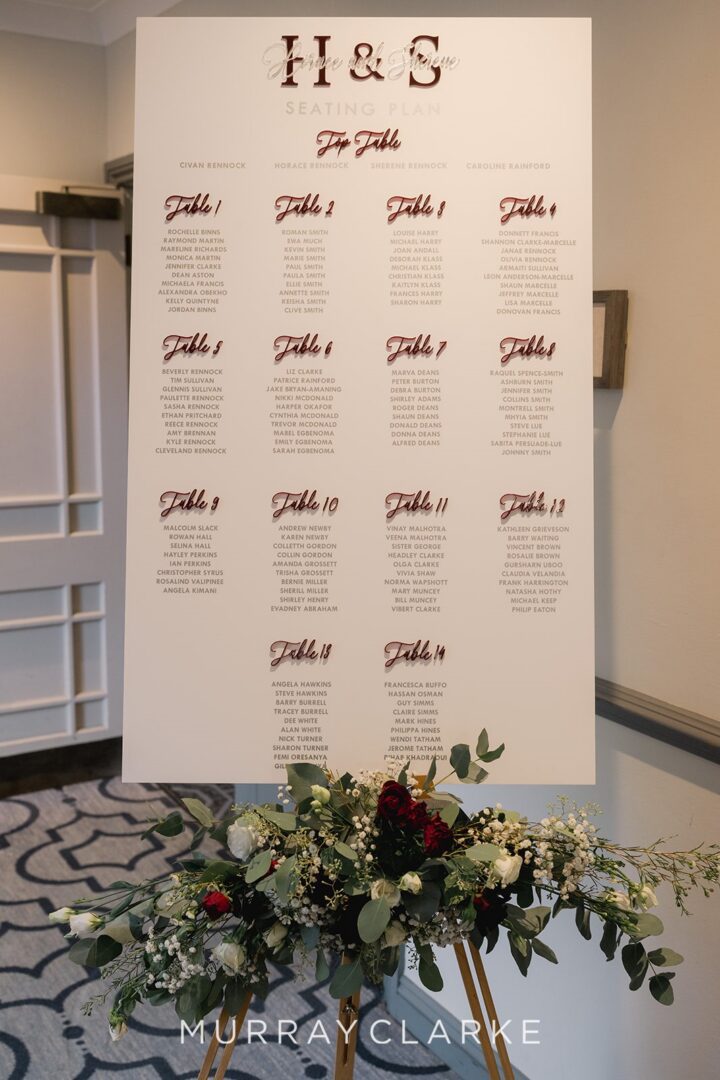
5 Wedding Seating Plan Tips to Keep Your Guests Happy (and You Stress-Free!)
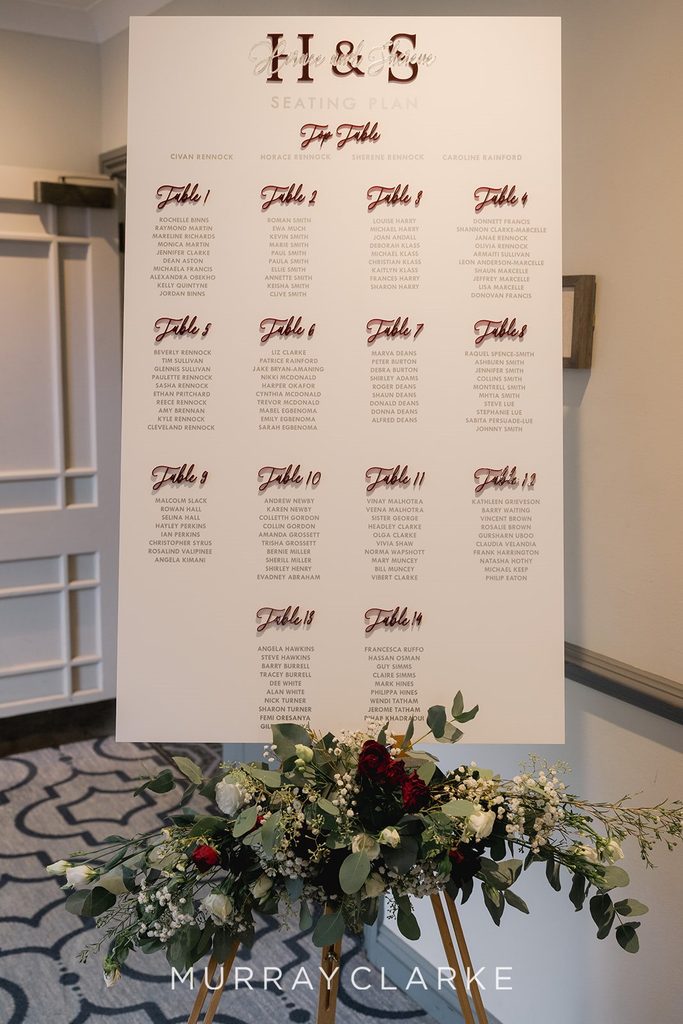
You’ve booked your venue, sent your invitations and the RSVPs are coming in. Now comes a part of wedding planning that many couples find surprisingly challenging: creating the seating plan! These wedding seating plan tips will help make the process easier.
Who sits with whom? Should your parents sit at the top table? Where should you seat guests who don’t know anyone else? And how do you make sure everyone feels comfortable?
Your wedding seating plan is about much more than fitting names around tables. It’s about creating an enjoyable experience for your guests while making sure your wedding breakfast runs smoothly.
As a wedding planner, I’ve seen how much difference a thoughtfully considered seating plan can make.
Here are my five wedding seating plan tips to help you get it right.
1. Consider Your Guests’ Feelings, Not Just Their Relationship to You
Traditionally, the top table includes the newlyweds, their parents and sometimes the wedding party. But just because something is traditional doesn’t mean it’s the right choice for your wedding.
Every family is different, and it’s important to consider those dynamics when deciding where everyone should sit.
For example, if your parents are separated or remarried, seating them together at the top table might create an uncomfortable situation, particularly if new partners are involved.
Instead of feeling obliged to follow tradition, consider alternatives.
A sweetheart table, where just the two of you sit together, can be a wonderful solution. It allows you to enjoy your first meal as a married couple while giving your parents the opportunity to sit with people they’re genuinely comfortable with.
Perhaps Mum would prefer to sit with her sister, while Dad sits with his new wife. Everyone can still feel included and valued without being placed in an awkward situation.
And remember, this doesn’t just apply to parents. Think about any family relationships or personal circumstances that might influence where guests feel most comfortable.
My advice: Don’t make seating decisions based purely on family titles or tradition. Think about the people involved and how your arrangements might make them feel.
After all, your seating plan isn’t just about where your guests sit. It’s about how you make them feel.
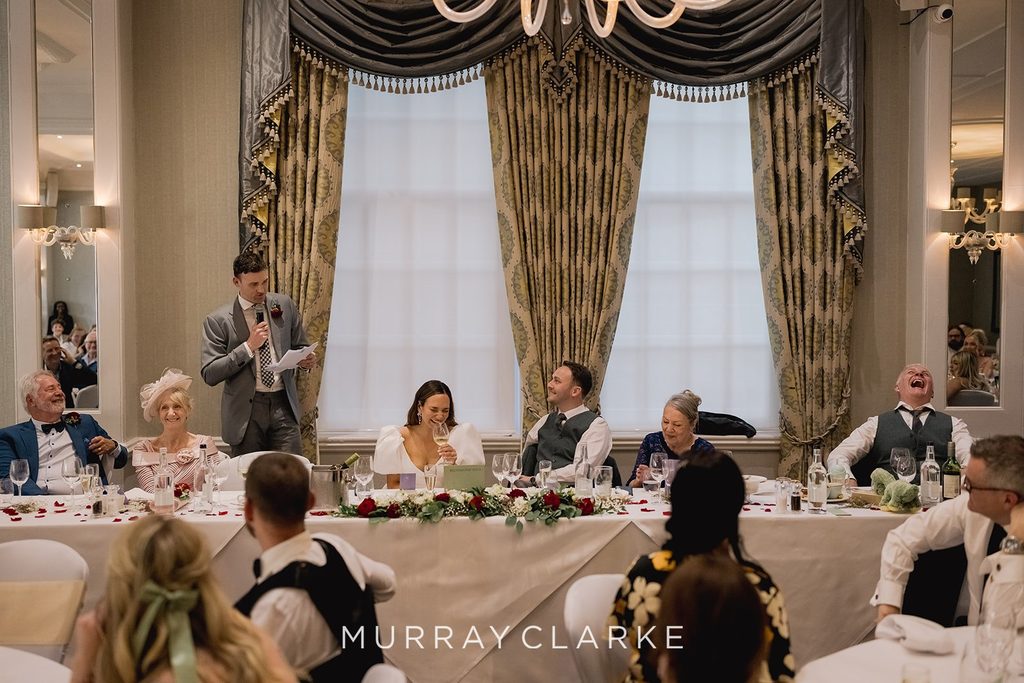
2. Wedding Seating Plan Tips: Think Carefully About Where You Position Your Guests
One of my most important wedding seating plan tips is to think carefully about where each guest wil be positioned in the room.
This is something that’s easily overlooked, but it can make a significant difference to your guests’ experience.
Imagine seating your elderly relatives directly beside the DJ’s speakers. They might struggle to hear conversations or find the music overwhelming.
Similarly, guests with mobility needs may find it difficult if they’re seated somewhere that requires navigating a crowded room or travelling a long distance to access the toilets.
When reviewing your table layout, consider:
- Elderly guests: Would they be more comfortable somewhere quieter, away from loudspeakers?
- Guests with mobility needs: Is there sufficient space for wheelchairs or mobility aids, and are the facilities easily accessible?
- Families with young children: Would they benefit from being seated somewhere with easy access to exits or additional space for pushchairs, where permitted?
- Guests with hearing or sensory needs: Would a quieter location make the experience more comfortable?
- Your venue layout: Are there pillars, awkward corners or other features that could obstruct guests’ views?
It’s also worth considering the location of the dance floor, entertainment and entrances, particularly if there will be lots of movement throughout the evening.
My advice: Walk through your reception space with the table layout in mind. Try to imagine the experience from your guests’ perspective rather than simply looking at how the tables fit into the room.
A beautiful reception layout is important, but your guests’ comfort should always be part of the decision-making process.
3. Think About Personalities, Not Just Who’s Related to Whom
One of the biggest challenges when creating a wedding seating plan is deciding which guests should sit together.
It’s tempting to group people based on obvious connections. Family members with family members, colleagues with colleagues, or guests of a similar age together.
But these aren’t always the best combinations!
Just because two people are the same age doesn’t mean they’ll have anything in common. And please don’t automatically create a singles table simply because several guests are attending without partners!
Instead, think about personalities, interests and existing relationships.
Who enjoys a lively conversation? Who is naturally outgoing? Who might appreciate sitting beside someone familiar?
If you have guests who don’t know many other people, consider seating them with friendly, welcoming individuals who will naturally include them in conversations.
You might even find that guests from completely different parts of your lives have shared interests and would get along wonderfully.
Of course, you don’t need to engineer every conversation or predict every friendship. The aim is simply to create an environment where people feel relaxed and included.
My advice: Think beyond the obvious connections. Your guests may spend several hours around their tables, so consider who they’ll genuinely enjoy sharing that time with.
A great seating plan helps create the atmosphere you want for your wedding breakfast: relaxed, welcoming and full of conversation.
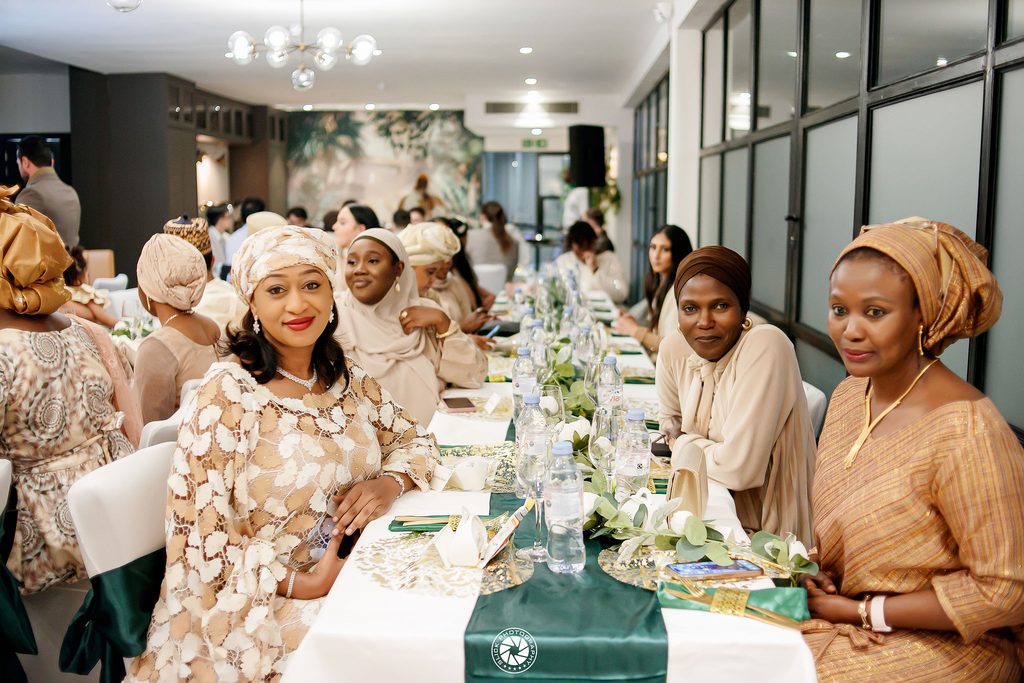
4. Wedding Seating Plan Tips: Map Out Your Guests’ Positions!
This is one of my favourite practical tips!
I’m a visual person, and when I’m working on a seating plan, I like to actually SEE where everyone will be sitting.
It’s one thing to decide that eight guests belong on Table 5. It’s another thing entirely to consider how those eight guests will be positioned around that table.
This is particularly important with round tables.
Think about it. Who is sitting next to whom? Who is facing the newlyweds? Who has their back to the top table? And could anyone end up feeling left out of the conversation?
With round tables, some guests will inevitably face away from certain parts of the room, but physically mapping out the arrangement allows you to make those decisions thoughtfully.
How to map out your seating plan
You don’t need any fancy equipment.
Draw your tables on a large sheet of paper, write each guest’s name on a small piece of paper and position the names around the tables.
The advantage of using individual pieces of paper is that you can easily move people around until you’re happy with the arrangements.
Alternatively, use a digital seating planner that allows you to visualise the room and assign guests to individual seats.
As you work through each table, ask yourself:
- Who will each guest be sitting beside?
- Will they have someone they feel comfortable talking to?
- Are there any relationships or circumstances you need to consider?
- Will guests have a reasonable view of important moments, such as speeches?
- Does the arrangement work practically with the table size and room layout?
Some couples prefer to allocate guests to tables and allow them to choose their own seats. Others prefer to assign individual seats using place cards.
There’s no single right approach, but if you’re assigning individual seats, taking the time to map them out can be incredibly helpful.
My advice: Don’t rely solely on a list of names. Visualising your seating plan can reveal potential issues that aren’t immediately obvious on paper.
And it’s much easier to move a few pieces of paper around than to make changes once everything has been printed!
5. Don’t Print Your Seating Chart Too Early!
You’ve spent hours working on your seating arrangements. Everyone has a table, you’re happy with the layout and you’ve finally finished!
It’s tempting to get that beautiful seating chart printed and tick another task off your wedding planning list.
But my advice is simple: wait as long as reasonably possible before printing!
No matter how organised you are, guest numbers and arrangements can change right up until the wedding day.
Someone might become unwell, travel plans might fall through, or a guest may unexpectedly be unable to attend.
And suddenly, the seating chart you’ve carefully designed and paid to have printed is no longer accurate.
Depending on the design, material and printing method, making last-minute amendments could be costly or even impossible.
What should you do instead?
Speak to your stationery supplier early in the planning process and establish their deadlines.
Find out when they need the final artwork, whether last-minute changes are possible and what additional costs might apply.
You can absolutely choose your design, colours, materials and layout in advance. There’s no need to leave the entire process until the last minute.
The important thing is to avoid finalising the guest names and table allocations earlier than necessary.
If your seating chart is being created using materials that are difficult to amend, you may also want to discuss a contingency plan with your supplier.
My advice: Prepare everything in advance, but leave the final printing until as late as your supplier can reasonably accommodate.
A little flexibility could save you money and unnecessary stress.
Bonus Tip: Make Sure Your Wedding Planner and Caterer Have the Final Seating Plan
Once your seating plan is complete, don’t forget that it’s not just a document for your guests.
It’s also an important tool for the suppliers responsible for delivering your wedding breakfast.
Your wedding planner and catering team need an accurate version showing table allocations, guest numbers and any relevant dietary requirements.
This is particularly important where guests have allergies, intolerances or specific meal choices.
Make sure the information is clearly communicated, that your caterer has confirmed the arrangements and that everyone is working from the same final version.
If any changes happen at the last minute, communicate them to the relevant suppliers as soon as possible.
A well-organised seating plan helps your wedding team deliver a smooth, efficient service while allowing you to relax and enjoy your celebration.
Final Thoughts
Creating your wedding seating plan doesn’t have to be stressful.
Yes, there may be some tricky decisions along the way, particularly when balancing family dynamics, friendships and practical considerations.
But remember, you’re not trying to please absolutely everyone. You’re trying to create a thoughtful arrangement where your guests feel comfortable, included and able to enjoy your special day.
Take your time, consider the people involved and don’t be afraid to move away from tradition when something else works better for you.
And most importantly, remember that your wedding is a celebration of your love story.
Your seating plan should support that celebration, not become a source of unnecessary stress.
I hope these wedding seating plan tips have helped you feel more confident about creating a seating arrangement that works for everyone.
Need a little help bringing all the details of your wedding together?
At Weddings by Sherene, I specialise in planning thoughtful, personal celebrations that reflect each couple’s unique love story. From navigating family traditions to managing the finer details of your wedding day, I’m here to help make the planning process as enjoyable as the celebration itself.
Get in touch to find out how I can help you plan your special day.
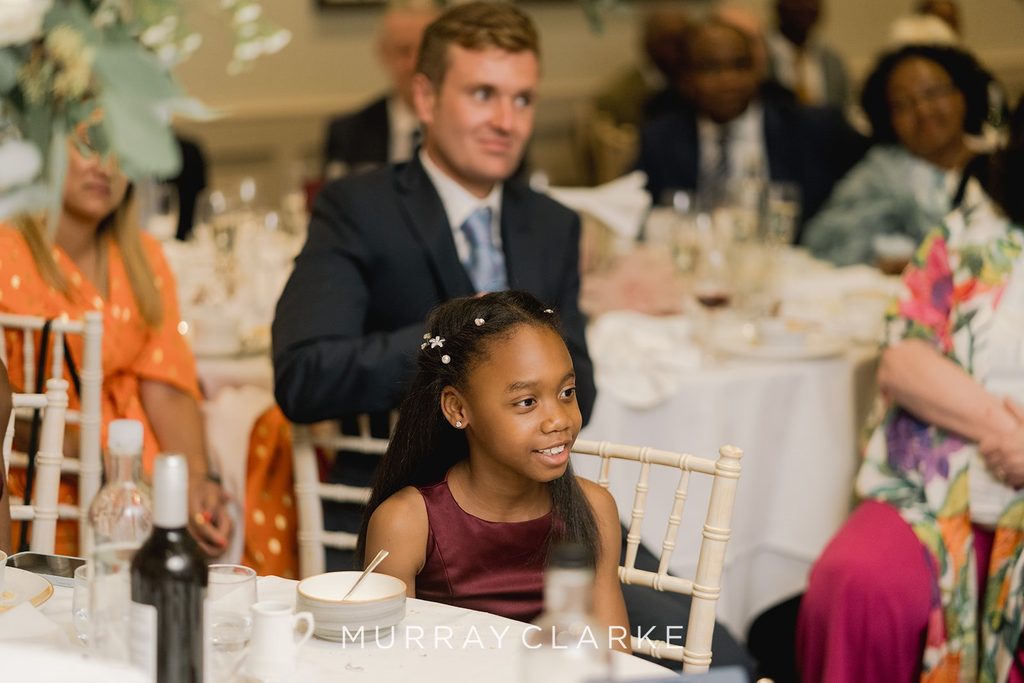
Beautiful wedding moments captured by Murray Clarke and Slick Photography